



Back to school costs in Canada: how borrowers are handling the September budget cliff
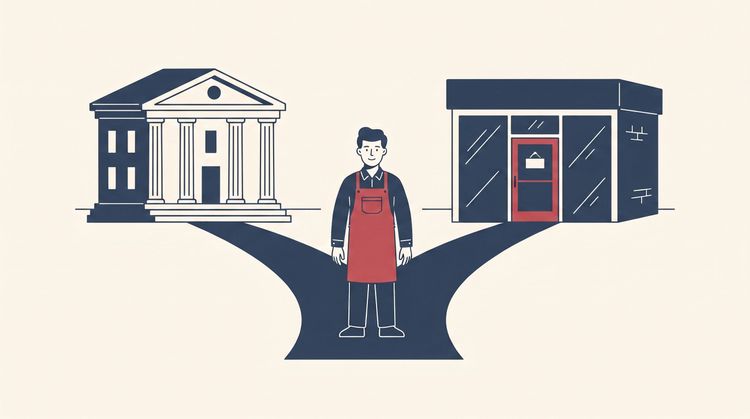
Every year, September arrives with the same collision: tuition deposits, school supplies, activity fees, new clothes, and technology purchases, all landing in the same few weeks while the regular bills keep coming. For households already running close to the line after summer spending, the month can feel less like a season change and more like a cliff.
The short answer: most back to school borrowing in Canada is small and targeted, not a sign of financial distress. The bigger risk is when fall expenses pile onto existing unpaid bills. If that describes your situation, the right move is usually to deal with the whole picture at once rather than adding one more payment to an already crowded month.
Why September hits household budgets harder than any other month
Unlike the holidays, September expenses are largely non-negotiable and non-deferrable. A tuition instalment has a due date. A child needs supplies before the first bell, not after the next paycheque. Families with more than one student feel this multiplied, and post-secondary students face it on top of rent and moving costs.
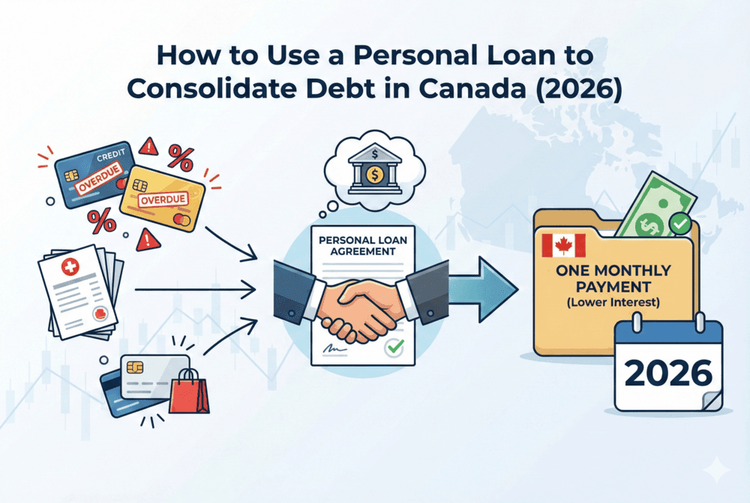
September also rarely arrives on a clean slate. Paying off bills was the purpose behind 33.8 percent of loan applications in Q2 2026, according to Smarter Loans platform data, and most of that borrowing is small, under $1,500, averaging $507 with a $500 median. When fall costs land on top of balances like those, adding one more separate payment can make a tight month tighter; a debt consolidation loan that rolls everything into one due date is often the cleaner structure.
Government supports help but rarely cover the gap in the moment. Programs such as the Canada Child Benefit arrive monthly rather than in a September lump, and student aid through the Canada Student Financial Assistance Program is tied to enrolment timelines that do not always match when the money is actually needed.
What Canadians are actually borrowing for this fall
Education borrowing is smaller and more targeted than most people assume
Education itself was the stated purpose behind 2.1 percent of loan applications in Q2 2026, according to Smarter Loans platform data. Small education loans, those under $1,500, average $545 with a $500 median, while larger requests average $7,331.
Takeaway: most education borrowing is a small bridge; a request over $1,500 is a different product at more than thirteen times the size.
That profile suggests people bridging a specific, dated expense such as a tuition instalment or a laptop purchase, not people financing an entire year of study with a personal loan.
That distinction matters. A small, short loan for a known expense is one of the more manageable forms of borrowing, provided the repayment schedule fits your income and you have compared more than one offer.
One application, real offers: how to compare before you commit
The mistake September borrowers make most often is speed: taking the first offer because the expense has a deadline. Comparing multiple lenders through a single application, ideally with a soft credit check that does not affect your score, lets you see real rates side by side before anything is final.
Before you apply at all, put your numbers through the Loan Payment Calculator. Seeing the monthly payment on the amount, rate and term you are actually considering tells you in thirty seconds whether an offer fits the budget September leaves you.
What lenders look at, and what to have ready
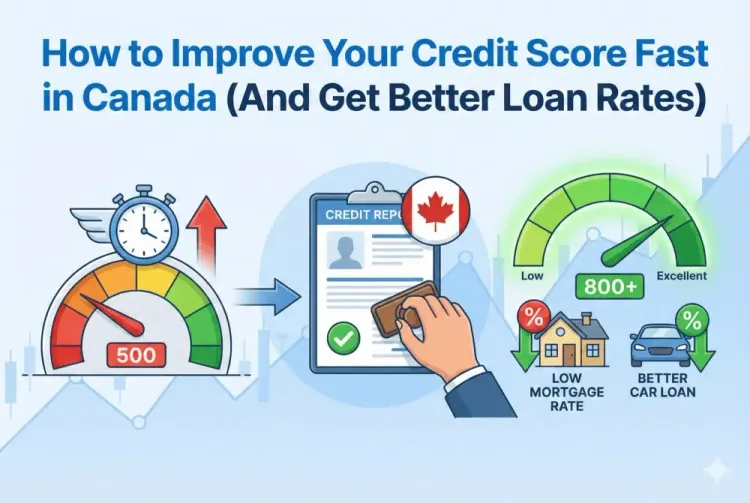
Most lenders assess income stability, existing debt obligations, and credit history. Having recent pay stubs, a list of current balances and payments, and government identification ready shortens the process considerably. Knowing your credit score before you apply also tells you which offers are realistic.
Options if your credit took a hit over the summer
A missed payment or a maxed card over the summer does not close the door. Some lenders specialize in loans for borrowers with lower credit scores, typically at higher rates. The same comparison discipline applies, and arguably matters more: the spread between offers is widest at the lower end of the credit spectrum. If debt has genuinely outrun income, non-loan paths such as credit counselling deserve an honest look before any new borrowing.
| September expense | Typical fit | First step |
|---|---|---|
| School supplies and fees | A small, one-time loan | Budget first; borrow only the gap |
| Tuition instalment | A larger fixed-term loan | Compare fixed-rate options before the due date |
| Laptop or equipment | Either, by price | Check retailer financing against a personal loan rate |
| Catching up on bills after summer | A small loan, or consolidation if balances persist | An honest list of balances before any application |
Common questions
Should I use a personal loan or a credit card for school expenses? If you can pay the balance off within one billing cycle, a card is simpler. If repayment will take months, a fixed-rate loan with a set end date usually costs less and is easier to budget around.
Can students get personal loans? Yes, though approval depends on income. Students without steady income should exhaust government student aid first, since it typically carries better terms than any private loan.
Will comparing offers hurt my credit score? A soft credit check does not affect your score. Confirm which type of check applies before you submit any application.
Application data referenced above is drawn from aggregated Smarter Loans platform data, Q2 2026. See the Smarter Loans Lending Demand Index for the full dataset.
 Written by:
The Smarter Loans Editorial Team produces in-depth, original content to help Canadians navigate borrowing, credit, and personal finance with confidence.