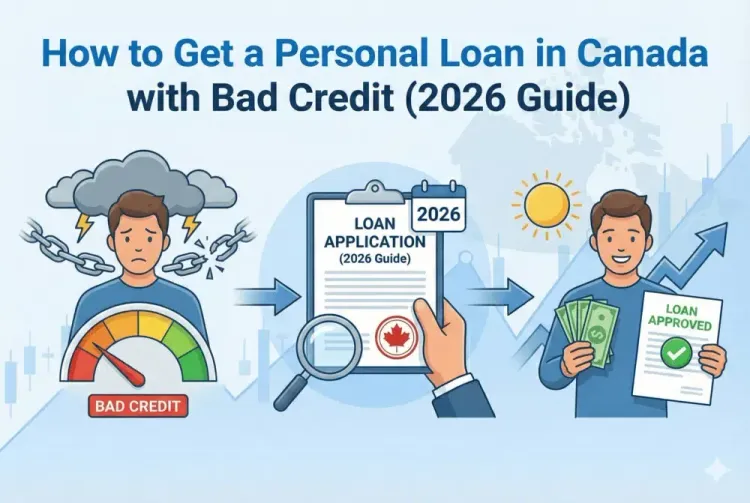





Finding a loan in Canada is easy. Finding a low-interest loan — one that doesn’t make your wallet cry softly at night — is a little trickier. With banks, credit unions, fintech startups, and lenders that seem to appear out of thin air every January, it’s hard to know where the real bargains are hiding.
If you’re searching for low interest loans in Canada in 2026, you’re in the right spot. This guide covers everything: what low-interest loans actually are, who offers the best ones this year, how to compare rates like a pro, and what you can do to qualify for the best offers. The goal is simple: save you money without making you read anything that sounds like it was written in a corporate boardroom.
What Are Low-Interest Loans?
At their core, low-interest loans are personal loans that come with below-average borrowing costs. They’re often offered to borrowers with solid credit, stable income, and a history of responsible repayment — basically, people who don’t ghost their bills.These loans are commonly used for:
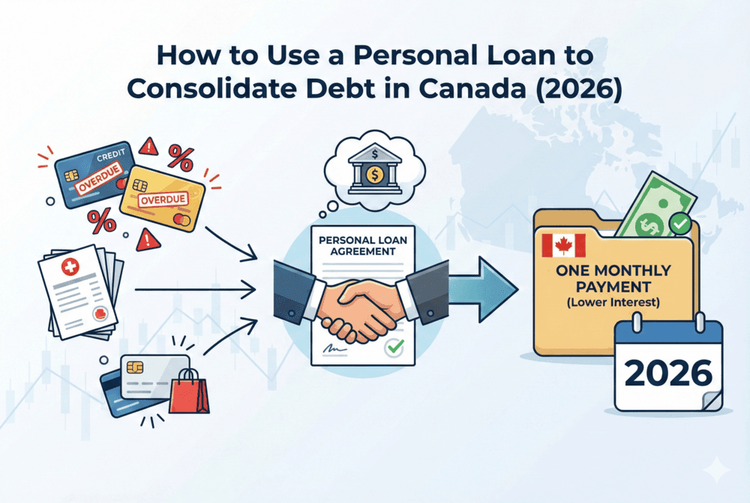
- Debt consolidation
- Car repairs or upgrades
- Home improvements
- Moving expenses
- Large purchases
- Emergency costs
What Makes a Loan “Low Interest?”
Generally:
- Rates below the national average (which changes every year)
- Transparent terms
- Predictable, fixed payments
- Fewer added fees
Best Lenders for 2026
This year’s best lenders fall into a few categories. Instead of listing every single company in Canada (that would take all day), here are the types of lenders offering the strongest low-rate products right now.1. Major Canadian Banks
Banks still offer the most stable and predictable low-interest options for borrowers with excellent credit.Pros:
- Some of the lowest fixed rates available
- Longer loan terms (up to 5 or 7 years)
- Strong regulatory oversight
- Helpful if you already bank with them
- Approval can take days
- Lots of documentation required
- Harder to qualify without strong credit
2. Credit Unions
Credit unions remain one of the best-kept secrets in Canadian lending. They often beat big banks on rates and fees, and they’re known for offering more personalized service.Pros:
- Lower fees
- Competitive rates
- Flexible repayment terms
- Member-focused experience
- Membership rules
- Sometimes limited to certain provinces
- Not all have modern digital tools
3. Online & Fintech Lenders
Fintech lenders are now mainstream, and many of them offer rates that rival traditional banks — minus the paperwork. If you like applying from your couch while wearing pajamas, fintech is your best friend.Pros:
- Fast approvals (minutes to hours)
- Fully online process
- Transparent rate breakdowns
- Ideal for borrowers with mid-to-good credit
- Rates depend heavily on credit score
- Shorter terms than banks
- Some lenders charge origination fees
4. Specialized Low-Interest Lenders
Some Canadian lenders specifically focus on affordability, targeting borrowers needing consolidation, refinancing, or structured repayment plans.Pros:
- Focus on low-rate products
- Clear repayment schedules
- Great for reducing interest on existing debt
- Fewer loan types
- Smaller maximum loan amounts
5. Rate Comparison Platforms
This is where the smart shoppers go first.Instead of checking 20 websites, comparison platforms help you view your best options instantly. Feel free to check out RateHub Canada and Smarter Loans for more info.
Platforms save time and help avoid the classic “I thought 12.5% was good until I saw 8.9% on another site” scenario.
Comparing Rates
Comparing the lowest loan rates in Canada isn’t just about the numbers. You want to understand the full picture: term length, fees, penalties, and how stable your payments will be.Factors That Influence Your Rate
- Credit score: Higher = better
- Income stability: Consistent pay helps
- Debt-to-income ratio: Lower ratios boost approval
- Collateral: Secured loans offer cheaper rates
- Loan amount: Large loans may have better rates
- Loan term: Shorter terms reduce total interest
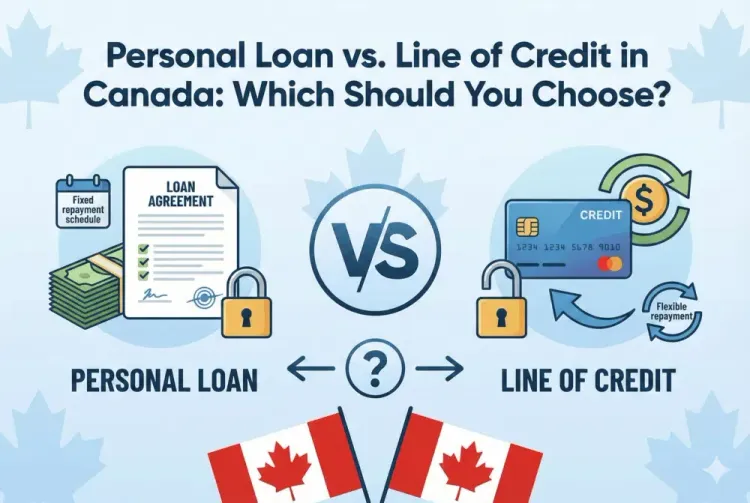
Fixed Rates
- Same payment every month
- Ideal for budgeting
- Great during periods of interest rate uncertainty
- Changes based on the lender’s prime rate
- Can save money in the right market
- Requires flexibility in monthly budgeting
Average Rates Across Canada in 2026
Approximate ranges this year look like:- Major banks: 6.99% – 10.99%
- Credit unions: 6.49% – 10.49%
- Online lenders: 8.99% – 19.99%
- Secured loans: as low as 4% – 7%
Watch for Added Costs
Even low-interest loans can hide extra fees:
- Late payment penalties
- Administrative fees
- Origination charges
- Early repayment fees (rare, but they exist)
How to Qualify
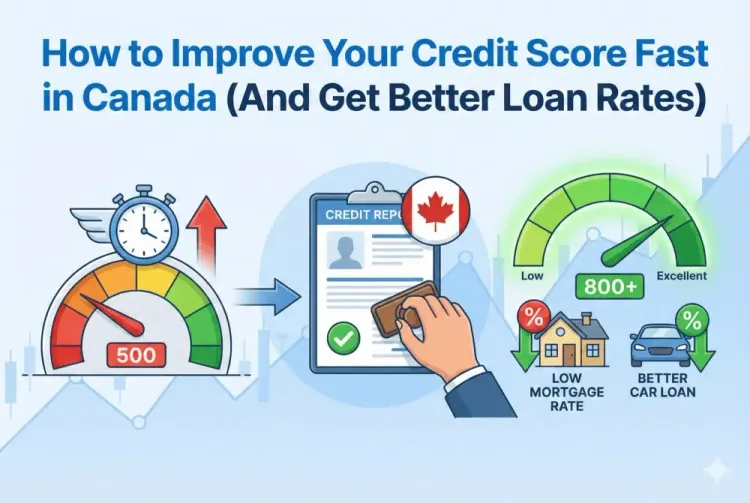
Qualifying for the best low-interest loans in Canada is mostly about showing lenders you’re reliable. Here are the key ways to boost approval odds:- Build or Strengthen Your Credit Score
Good habits include:
- Pay bills on time
- Keep balances low
- Avoid back-to-back credit applications
- Check credit reports for errors
- Reduce Debt Where You Can
- Maintain Stable Income
- Use Collateral Wisely
- Compare Before Applying
- Keep Your Financial Documents Ready
- Government ID
- Proof of income
- Bank statements
- Credit history
- Employment details
Final Thoughts: Borrow Wisely in 2026
Low-interest loans are one of the smartest ways to borrow in Canada — whether you’re consolidating debt, managing a major expense, or planning a big purchase. The key is comparing rates, checking fees carefully, and choosing lenders with transparent terms and trustworthy reputations.And if you want to skip the guesswork entirely, using a reliable comparison platform like Smarter Loans helps you spot the best low-interest options quickly, clearly, and confidently.
 Written by:
The Smarter Loans Editorial Team produces in-depth, original content to help Canadians navigate borrowing, credit, and personal finance with confidence.